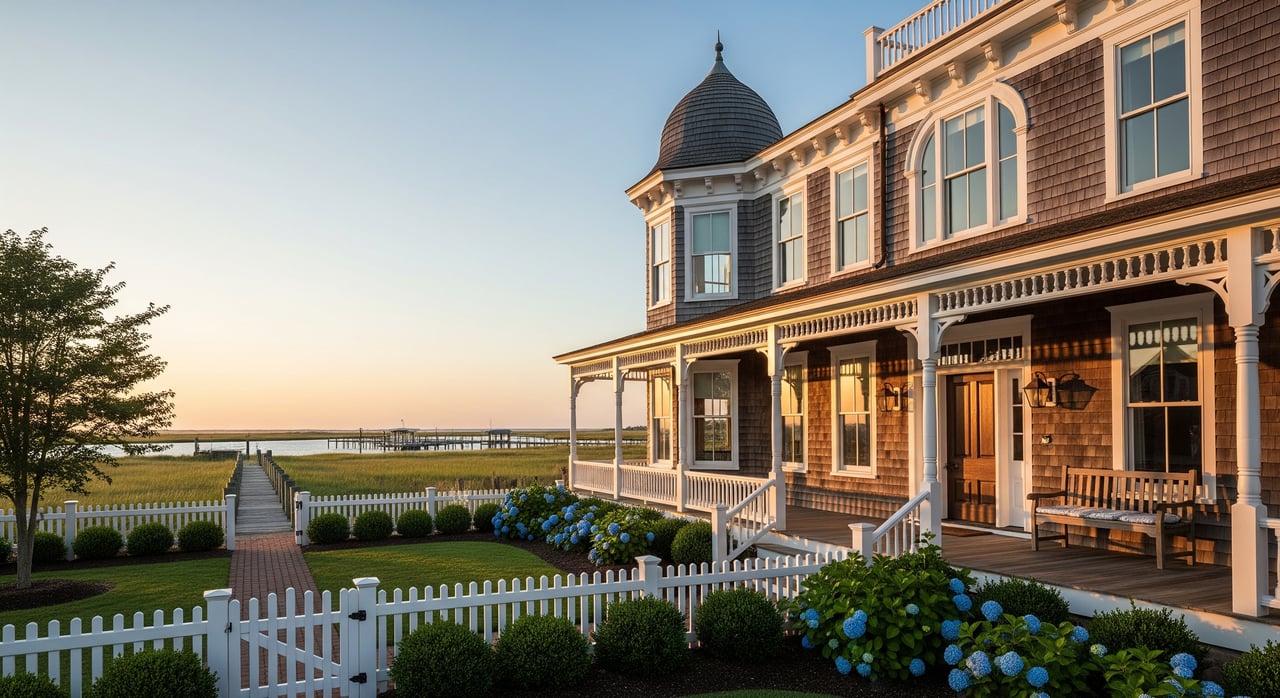
Love the idea of strolling to the waterfront, dinner, and local museums from your front porch? If you are considering a second home or a year-round move, Manteo’s Historic District offers charm, walkability, and strong community character. At the same time, coastal rules, flood risk, parking, and renovation details matter. In this guide, you’ll learn what to expect, what to check before you buy, and how to navigate a historic purchase with confidence. Let’s dive in.
Why buy in Manteo’s Historic District
Manteo sits on Roanoke Island, and the Historic District centers around the downtown waterfront with a compact, walkable layout. You can enjoy restaurants, marinas, and cultural spots like local museums and visitor destinations within a short walk. Many buyers choose Manteo for second-home or vacation use because of year-round tourism and seasonal demand. If you value a small-town feel with waterfront access, this district delivers.
Architecture and lot patterns
You will see late 19th and early 20th century buildings, including vernacular coastal houses, period commercial structures, and homes with Victorian, Colonial Revival, and Craftsman influences. Expect wood-clapboard or shingle exteriors, porches, raised foundations in some areas, and original trim and windows. Many homes have later additions and systems updates with varying quality. Lots are typically smaller than modern suburban parcels, so side yards are narrow and houses often sit close to the street.
Parking and access tips
On-street parking is common, and off-street parking may be limited or tucked behind homes. If parking is important for you or for rental guests, review guest parking expectations and nearby municipal options. Evaluate whether a small driveway or rear parking pad is possible, and confirm rules for curb cuts and paving with the town before you plan changes. Compact lots reward creative site planning.
Utilities and coastal upkeep
Historic areas usually have municipal water and sewer, but always confirm the connection status for the property you are considering. Electrical systems may be outdated for modern demand, so look for older panels or knob-and-tube wiring during inspections. Roofs, chimneys, and foundations in coastal climates face extra wear from salt air, humidity, and storms. Plan for ongoing maintenance that respects the home’s historic materials.
Historic rules and permits
A National Register listing recognizes a district’s significance, but it does not itself restrict what you do as a private owner unless federal funds or permits are involved. You can learn about National Register basics on the National Park Service’s overview of the program by visiting the National Register of Historic Places website. Local rules are different. If Manteo has a local historic district with design review, exterior changes, additions, and demolitions may require approval. Request any local design guidelines and prior approvals from the seller or the town before you make an offer.
Interior work often requires standard building permits for electrical, plumbing, mechanical, or structural changes. Exterior changes that alter appearance typically require local review in designated districts. For waterfront improvements like bulkheads, docks, or shoreline stabilization, check permitting with the North Carolina Division of Coastal Management for coastal rules and approvals.
- Learn about the National Register: visit the National Park Service’s National Register of Historic Places overview.
- For coastal permits and shoreline rules, review the North Carolina Division of Coastal Management resources.
Flood zones and insurance
Much of the Outer Banks lies in FEMA flood zones, and many Historic District properties may be in Special Flood Hazard Areas. Mortgage lenders require flood insurance for properties in these zones. Check the FEMA Flood Map Service Center for your parcel’s current Flood Insurance Rate Map and zone designation. If possible, request an elevation certificate or consider getting one before you close.
Insurance costs can be higher in coastal areas. Get early quotes for homeowners, flood, and wind coverage. The North Carolina Department of Insurance offers guidance on coastal and windstorm coverage so you can budget accurately and plan your due diligence timeline.
- Look up your property’s flood zone at the FEMA Flood Map Service Center.
- Review coastal insurance guidance with the North Carolina Department of Insurance.
Short-term rental rules
Short-term rentals are common across the Outer Banks, but rules vary by town and zoning district. Confirm whether short-term rentals are allowed for your target address, and check any registration, safety, occupancy, or tax requirements. Review county-level permitting, property records, and tax information through Dare County’s official website, and confirm any local Town of Manteo requirements directly with the town.
- Start with Dare County resources for permits, property records, and tax information.
Renovation and inspections
Older coastal homes can have moisture-related issues like rot, mold, or corrosion, along with settlement or aging systems. Pre-1978 homes may contain lead-based paint, and some older materials can contain asbestos. Historic windows and doors often merit repair rather than replacement to preserve character, but repairs can be specialized.
Hire a home inspector who understands historic and coastal conditions. Add specialized inspections as needed, such as a structural engineer for foundation concerns, an HVAC contractor for system capacity, a WDO inspection for termites, and mold testing if moisture is suspected. Request documentation of prior permits and upgrades, including roofs, HVAC, seawalls, or sewer connections. Confirm water and sewer hookups, and ask about any required lateral repairs.
Pre-offer due diligence steps
Use this checklist to reduce risk and speed up closing:
- Confirm historic status and local rules. Ask for any local design guidelines and prior approvals for exterior changes.
- Pull the flood map for the parcel on FEMA’s Flood Map Service Center and request an elevation certificate.
- Obtain preliminary insurance quotes for homeowners, wind, and flood through your preferred carriers and review guidance from the North Carolina Department of Insurance.
- Verify permitted uses, including short-term rentals, parking rules, and occupancy limits with the town and Dare County.
- Request documentation of renovations, permits, warranties, and major system upgrades.
- Schedule a home inspection plus WDO, structural, and moisture assessments as indicated.
Work with local experts
Buying in a historic coastal district is rewarding, but the details matter. You will make better decisions with clear information on local rules, flood and insurance, and the home’s systems and structure. A knowledgeable partner can coordinate due diligence and help you compare locations, lots, and renovation plans.
If you are ready to explore Manteo’s Historic District, connect with the local team at OBX Beach Properties for hands-on guidance and a clear path to your next home.
FAQs
What makes Manteo’s Historic District unique?
- A compact, walkable downtown setting near the waterfront with historic architecture and cultural attractions that appeal to second-home buyers and relocators.
Does National Register status restrict renovations?
- National Register listing recognizes significance but does not impose private-owner restrictions by itself; check for any local historic district rules that may require design review.
How do I check flood risk for a property?
- Visit the FEMA Flood Map Service Center to find the property’s flood zone, then request or obtain an elevation certificate and secure flood insurance quotes early.
Are short-term rentals allowed in the district?
- They may be, but rules vary by zoning; confirm with the Town of Manteo and review Dare County’s resources for licensing, taxes, and safety requirements.
What inspections should I order for a historic home?
- Start with a home inspection, then add WDO/termite, structural, HVAC, and moisture assessments; verify permits and major system upgrades with the seller and local agencies.
