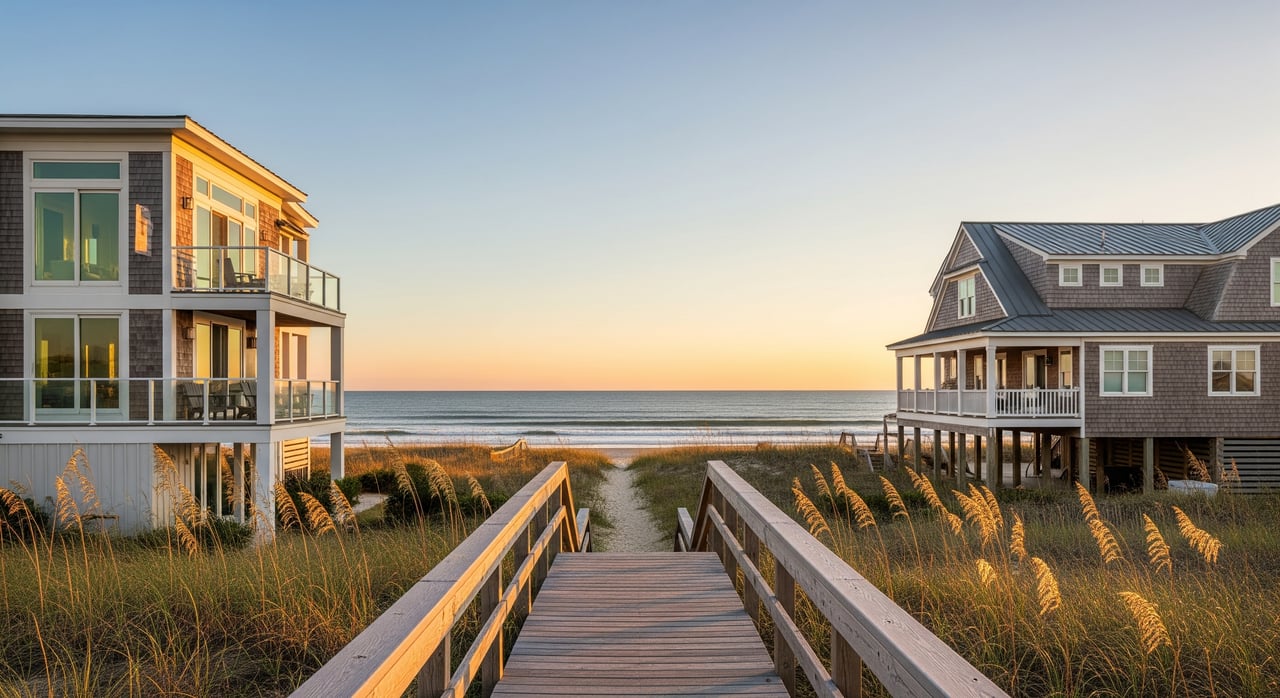
Trying to decide whether a condo or a single-family home will make a better rental in Kill Devil Hills? You are not alone. In a coastal market with strong summer demand and shifting off-season patterns, picking the right property type can set up your investment for steadier income and fewer surprises. In this guide, you will compare revenue potential, costs, rules, and day-to-day management so you can align your choice with your goals. Let’s dive in.
Kill Devil Hills rental landscape
Kill Devil Hills sits in the heart of the Outer Banks, where tourism drives demand most of the year. You see the highest occupancy and nightly rates from late May through August. Spring and fall bring solid shoulder-season bookings, especially around holidays. Winter is the slowest period, and some owners switch to seasonal or year-round leases to smooth cash flow.
Different renter groups tend to favor each property type. Condos often attract couples, small families, and cost-conscious visitors who love on-site amenities like pools and elevators. Single-family homes tend to draw larger families and multigenerational groups that want private outdoor space, more bedrooms, and easy parking. Year-round local renters generally prefer single-family homes for space and storage, though some condos work well for long-term tenants.
Revenue and occupancy potential
Single-family homes typically earn higher gross revenue per booking in the OBX. Larger sleeping capacity, private yards or decks, and driveways can justify higher nightly rates. Proximity to the beach can amplify this advantage. That said, condos may show stronger utilization in the off-season if the building allows short stays and you price competitively.
Short-term vacation rentals can produce higher gross revenue than long-term leases, but your monthly income will be more variable and your operating costs will be higher. Long-term leases are steadier, with lower turnover and simpler operations, although peak-season opportunity is lower.
Short-term vs long-term strategy
- Short-term: Higher gross income potential, stronger summer rates, more volatility by month. You will manage frequent guest turnover, cleaning, and guest communications.
- Long-term: Lower gross income but steadier cash flow and fewer turnovers. You will operate under North Carolina landlord-tenant law for year-long leases.
Expenses that shape net cash flow
Understanding the full expense picture helps you compare apples to apples. Here are common categories and how they differ by property type.
- HOA dues for condos: Monthly or quarterly fees cover exterior maintenance, common-area insurance, pools, elevators, landscaping, and more. These dues reduce net cash flow and can change over time.
- Maintenance and repairs: Single-family homes place exterior and major systems on you, including roofing, siding, decks, pilings, HVAC, and landscaping. Condos shift most exterior costs to the association, but you still handle interior systems and finishes.
- Turnover and housekeeping: Short-term rentals have higher turnover costs for cleaning, linens, and restocking. Condos often see shorter stays and more frequent turnovers, which can push housekeeping costs higher per month even if the unit is smaller.
- Utilities: Short-term rentals commonly include utilities in your rate. Long-term tenants often pay utilities directly, depending on lease terms.
- Insurance: Coastal wind, hail, and flood insurance are material costs on the OBX. In condos, the master policy covers common areas and the building shell, but you typically need a unit policy for interior finishes and personal liability. Review coverage to avoid gaps.
- Property management: Expect higher fees for short-term management that includes guest services and turnover coordination. Short-term management commonly ranges from 20 to 35 percent of gross rent. Long-term property management is usually lower, often around 6 to 12 percent or a flat fee.
Financing and entry costs
Entry costs and loan terms can tilt your decision.
- Purchase price: Condos often offer a lower entry price than single-family homes in the OBX, which reduces upfront capital.
- Loan type: Primary residence and second-home loans can allow lower down payments compared with investment property loans. Investment mortgages typically require higher down payments and come with higher rates.
- Condo project approvals: Many lenders require the condo association to meet specific approval standards. If the community is not approved, financing options can be limited, which may also affect future resale.
Rules and risk in Kill Devil Hills and Dare County
Local rules matter for both short-term and long-term rentals.
- Municipal ordinances: Kill Devil Hills regulates land use, building standards, parking, noise, occupancy limits, and trash. Short-term rental rules can include registration or safety requirements. Always verify current town requirements before you buy.
- County obligations: Dare County collects transient occupancy taxes for short-term rentals. You need to register and remit according to county procedures. Confirm current rates and processes before you list.
- State law: North Carolina landlord-tenant law, mainly Chapter 42 of the General Statutes, governs long-term leases. Short-term vacation rentals are treated differently. Know which framework applies to your strategy.
- HOA and condo documents: Some associations limit rentals through minimum lease terms, owner-occupancy periods, or approval processes. Read the covenants, bylaws, and rules, and confirm what the master insurance covers.
Insurance and coastal risk
Insurance is a critical part of underwriting an OBX rental.
- Flood risk: Many properties fall within FEMA flood zones. Flood insurance premiums vary with zone and elevation. Elevation certificates and mitigation features can make a difference.
- Wind and hurricane exposure: Insurers may split out wind or hail, and hurricane deductibles can be higher than standard deductibles. Expect coastal premiums to be higher than inland.
- Liability coverage: Short-term rentals bring more guest turnover and more liability exposure. Consider specialized short-term rental coverage or an umbrella policy. For condos, confirm how the master policy and your unit policy interact.
Operations and guest experience
Day-to-day management looks different by property type.
- Maintenance and capital projects: Single-family homes require you to budget for major exterior work and seasonal wear, especially after storms. Condos reduce exterior tasks, but the HOA may levy special assessments for big projects.
- Guest services: Short-term rentals require housekeeping, linens, maintenance coordination, and marketing. Condos can benefit from pools, elevators, and on-site maintenance, which guests notice and value.
- Neighbor relations: Condos have shared walls and closer proximity, so noise and parking issues may be more sensitive. Single-family homes offer more privacy, but you still must follow town rules on occupancy, parking, and noise.
- Parking and storage: Single-family homes typically offer more private parking and storage for beach gear and bikes. Many condos have assigned or limited parking, so set expectations clearly in your listing.
Which fits your goals?
Match the property to your strategy and risk tolerance.
- Short-term revenue maximizer: If you want the highest gross in peak season and can handle higher operating demands, a single-family home with strong capacity and parking is often the top performer. High-quality condos near the beach can still work well with the right building rules and amenities.
- Long-term, lower-touch investor: A condo can fit if HOA dues are reasonable and rental restrictions align with your plan. Single-family homes can also work for long-term tenants, especially for families who need space.
- Owner-occupant who rents seasonally: Condos can simplify your off-site periods because the exterior is handled by the HOA. If you prioritize privacy and outdoor space for personal use, a single-family home may be worth the added upkeep.
Quick decision checklist
Use this checklist to pressure test your short list of properties.
- Rental strategy: Decide short-term, seasonal, or year-round. Underwrite income by month, not just peak summer.
- HOA review: Confirm lease minimums, guest policies, parking, pet rules, and any rental caps. Request the master insurance summary and recent meeting minutes for assessment risk.
- Insurance quotes: Get early quotes for wind, flood, and liability. Verify condo master policy coverage versus your interior exposure.
- Financing path: Ask your lender about second-home versus investment terms. For condos, confirm project approval status.
- Management plan: Identify whether you will self-manage or hire a manager. Price housekeeping, linens, and maintenance response.
- Operating budget: Include HOA dues, utilities, taxes, management, cleaning, and reserves for repairs or special assessments.
- Compliance: Verify town rules for occupancy, parking, trash, and any registration for short-term rentals. Confirm Dare County occupancy tax requirements.
How we help you invest with confidence
Choosing between a condo and a single-family rental in Kill Devil Hills is about more than price. It is about matching seasonality, rules, and risk to your goals. As local agents who live and work across the OBX, we bring place-based guidance and brokerage tools to help you narrow options, review neighborhood nuances, and make a clear decision. When you are ready, we can walk you through MLS data, connect you with local property managers and insurance pros, and help you craft offers that align with your strategy.
Ready to start? Reach out to Cooper & Jenny at OBX Beach Properties and let’s find the right fit for your Outer Banks investment.
FAQs
What tends to earn more in Kill Devil Hills, a condo or a single-family rental?
- Single-family homes often generate higher gross per booking due to capacity and privacy, while condos can achieve steady off-season utilization if the building allows short stays and is priced well.
Are short-term rentals allowed in Kill Devil Hills?
- The town regulates rentals through local ordinances that may address registration, safety, occupancy, parking, noise, and trash, so confirm current requirements and any HOA restrictions before you buy.
What do condo HOA dues typically cover on the OBX?
- Dues commonly fund exterior maintenance, common-area insurance, pools, elevators, landscaping, and reserves, while owners are responsible for interior systems and finishes.
Do I need flood insurance for a rental in Kill Devil Hills?
- Many OBX properties are in FEMA flood zones, and lenders or risk tolerance may require coverage, so get flood and wind quotes early in underwriting.
How much do property managers charge in the Outer Banks?
- Short-term management often ranges from about 20 to 35 percent of gross revenue due to guest services and turnover, while long-term management is usually lower at roughly 6 to 12 percent or a flat fee.
Is financing a condo for a vacation rental different from a house?
- Many lenders require condo project approvals that affect loan availability and terms, so verify approval status early and compare second-home versus investment loan options.
