Torn between Duck’s boutique beach vibe and Corolla’s bigger-home appeal? You’re not alone. Both are beloved Outer Banks destinations with strong vacation demand, yet they feel very different once you dig into lifestyle, rules, and rental performance. In this guide, you’ll learn how each area stacks up for second‑home living and rental goals, plus the key checks to complete before you buy. Let’s dive in.
Duck vs Corolla at a glance
Duck offers a small, walkable village experience with a boardwalk, curated shops, and dining. Inventory is limited, and design standards keep the look and feel consistent across town. Many buyers choose Duck for its upscale atmosphere and the potential for higher average nightly rates.
Corolla covers a larger area in unincorporated Currituck County with a wide mix of neighborhoods and home styles. You’ll find more inventory, larger lots, and homes built to host big family groups. It’s a popular vacation hub with attractions like the Currituck Beach Lighthouse and the Corolla wild horses.
Property types and neighborhood feel
Duck homes
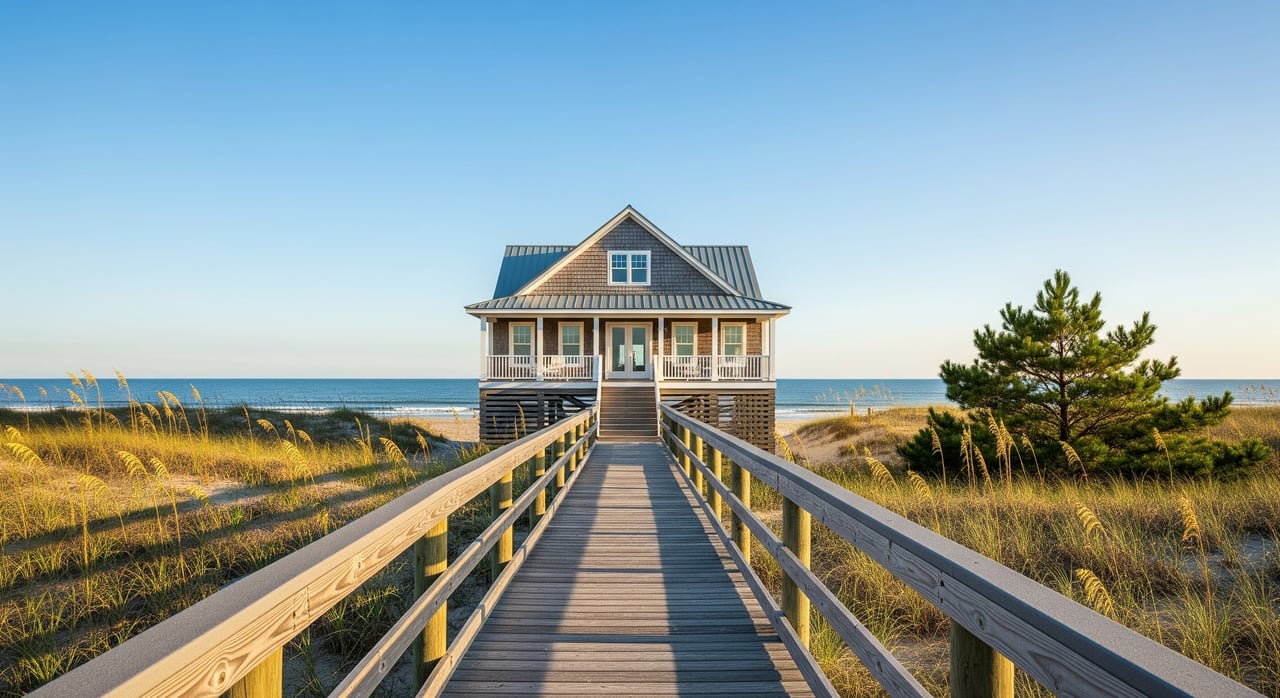
In Duck, lots tend to be smaller and many homes are newer or thoughtfully updated. You’ll see cottage‑style homes near village amenities and oceanfront houses on pilings designed for beach living. Strong town zoning and HOAs shape aesthetics, density, and design details.
Corolla homes
Corolla offers more variety. Large multi‑bedroom homes with multiple baths, expansive decks, and private pools are common in many subdivisions and gated communities. You’ll see a blend of older homes, speculative new construction, and custom builds across oceanfront, oceanside, and soundside pockets.
Rental potential and strategy
Duck’s village setting often supports a higher average daily rate because renters can walk to the boardwalk, shops, and restaurants. Corolla’s larger homes can maximize gross revenue through capacity and weekly bookings for big groups. Since Corolla has more rental inventory, your property may face stiffer competition unless you stand out with amenities and marketing.
Peak season runs June through August, and spring and fall often deliver strong shoulder seasons. If you market effectively and price strategically, you can lift occupancy beyond the core summer weeks. Your rental plan should match the property’s strengths and the audience you want to attract.
Build a simple pro forma
- Start with a revenue estimate: ADR × occupancy rate × rentable nights.
- Subtract operating costs: management fees, utilities, HOA dues, cleaning, supplies, marketing, pool and landscape service, and reserves.
- Include insurance, property taxes, and routine repairs influenced by salt-air wear.
- Ask for prior rental statements, occupancy calendars, and expense summaries when available.
Rules, zoning, and permits
Duck is an incorporated town with its own zoning, permits, and design standards. Expect rules around height, landscaping, parking, and aesthetics that keep the village character intact. Some HOAs layer on additional rental and property guidelines.
Corolla is part of unincorporated Currituck County and follows county zoning and permitting. Many subdivisions have private covenants and HOA rules that affect exterior changes, parking, or short‑term rental operations. Always review neighborhood documents before you write an offer.
Short‑term rental requirements can include registrations or permits. Owners typically remit state sales tax plus local occupancy or tourism taxes, and rates or collection rules can change. Verify current requirements with the Town of Duck, Currituck County planning and finance, and the North Carolina Department of Revenue before you market a property.
Coastal properties often require extra diligence for dune work, setbacks, and shoreline changes. Confirm whether your project needs permits under the Coastal Area Management Act and coordinate with Currituck County planning for coastal construction rules.
Flood, storms, and insurance
Both Duck and Corolla sit on barrier islands that face storm surge, flooding, and erosion risk. Many homes are built on pilings with elevated systems for safety and insurance compliance. Elevation, construction features, and location within a flood zone can significantly influence premiums.
Check FEMA flood maps for the property’s specific zone and ask for an elevation certificate if available. Flood insurance may be required by lenders for properties in certain zones. Coastal wind or hurricane coverage is also a key consideration and can carry separate deductibles.
Look for wind‑rated windows and doors, corrosion‑resistant materials, and elevated mechanical systems. If the property includes a bulkhead or dune work, ask for permits and records. A coastal‑experienced home inspector can help you evaluate the structure and maintenance needs.
Access, amenities, and daily life
Duck is known for a walkable boardwalk and a compact village core. If you want to park the car for the week and stroll to coffee, dining, and shopping, Duck fits that vision. Proximity to public beach accesses and soundside activities adds to the appeal for renters who value convenience.
Corolla offers larger homes and a broad mix of neighborhoods with varying access to beaches, trails, and attractions. Families often choose Corolla for group stays, private pools, and beach time balanced with day trips to the lighthouse or a wild horse tour. In either area, confirm whether a property is on public water and sewer or has private systems.
Travel times depend on season and traffic. Norfolk International is the closest major airport for many visitors, while Raleigh‑Durham is farther. If you plan renovations or furnishing, expect longer lead times and higher delivery costs common to barrier‑island logistics.
Costs, financing, and taxes
Financing can differ for a true second home versus an investment property you plan to rent extensively. Lenders often have specific down‑payment and debt‑to‑income expectations for vacation properties. Work with a lender familiar with coastal markets and second‑home classification rules.
Rental income is taxable, and you may deduct eligible expenses and depreciation subject to IRS rules. Your personal use versus rental days can affect how the IRS classifies the property. You will also need to follow North Carolina sales tax and local occupancy tax requirements for short‑term rentals.
Budget for property management fees, HOA dues, utilities, cleaning and linens, marketing or listing platform fees, pool and landscape care, and ongoing maintenance. Set aside reserves for storm‑related repairs and system replacements. Currituck County property tax rates change over time, so review recent tax bills during due diligence.
Resale and long‑term outlook
Duck’s limited inventory and strict design controls can support scarcity value over time. Homes that are well maintained and close to amenities tend to draw steady buyer and renter interest. The tradeoff is a smaller selection and higher per‑square‑foot pricing in many cases.
Corolla’s wider supply gives you more options and often more house for the money. On the flip side, you may face more competition when renting or selling, so differentiation is key. In both areas, storm history, insurance costs, and HOA management quality can influence resale demand.
Buyer checklist: from offer to opening night
Pre‑offer
- Pull the FEMA flood map for the parcel and ask for an elevation certificate if available.
- Confirm zoning and short‑term rental rules with the Town of Duck or Currituck County planning.
- Review HOA covenants, parking and occupancy limits, and any design standards.
- Request recent rental performance, occupancy calendars, and expense statements.
- Get preliminary quotes for flood and wind coverage from local insurance agents.
During escrow and inspections
- Hire a coastal‑experienced home inspector and a pest inspector.
- Verify piling condition, structural elevation, and any dune or bulkhead permits.
- Confirm utilities, septic versus public sewer, and any easements on the lot.
- Review property tax history and ask about pending assessments or repairs.
Before closing and launch
- Register for required sales and occupancy tax accounts if you will rent short term.
- Interview property managers for pricing strategy and a detailed pro forma.
- Establish reserves for seasonal maintenance and storm recovery.
- Consult a CPA on ownership structure and depreciation planning.
How to choose for your goals
Choose Duck if you want a walkable village feel, a curated environment, and the potential for higher nightly rates driven by location and ambiance. It suits buyers who value scarcity, consistent design, and a pedestrian‑friendly experience. Expect a smaller pool of listings and strong competition for standout homes.
Choose Corolla if you want more house, more bedrooms, and a broader range of neighborhoods and price points. Larger groups and family reunions often seek these homes, so amenities like a pool, game room, and outdoor spaces can drive bookings. Your marketing and property features should help you stand out in a bigger rental market.
If you are still undecided, look one layer deeper. Compare specific neighborhoods, distance to beach accesses, HOA quality, and current rental comps. A local advisor can help you weigh tradeoffs and align your purchase with your lifestyle and income targets.
Ready to explore homes that fit your plan? Reach out to Cooper and Jenny for local, hands‑on guidance from search to closing and setup. Start the conversation with OBX Beach Properties.
FAQs
What are the main differences between Duck and Corolla for second homes?
- Duck is a walkable, design‑controlled town with limited inventory and higher per‑square‑foot pricing, while Corolla offers a larger area with more inventory, bigger lots, and broader price points.
Is short‑term renting allowed in both Duck and Corolla?
- Short‑term rentals operate in both, but you should verify current registration, permitting, and tax requirements with the Town of Duck, Currituck County, and the North Carolina Department of Revenue.
How do rental returns typically differ between the two areas?
- Duck often supports higher nightly rates due to its village setting, while Corolla homes can maximize gross revenue through larger capacity, though competition is stronger in some segments.
What flood and storm risks should I evaluate before buying?
- Confirm the FEMA flood zone, obtain insurance quotes for flood and wind coverage, inspect pilings and elevation, and review any dune or bulkhead permits and recent repair history.
What financing should I expect for a vacation property?
- Lenders may treat a second home differently from an investment property, so down payment, debt‑to‑income, and classification rules vary; work with a lender experienced in coastal second homes.
Which amenities help bookings in each location?
- In Duck, walkability to the boardwalk, dining, and shops is a draw; in Corolla, larger homes with pools, multiple suites, and family‑friendly spaces often attract group bookings.
