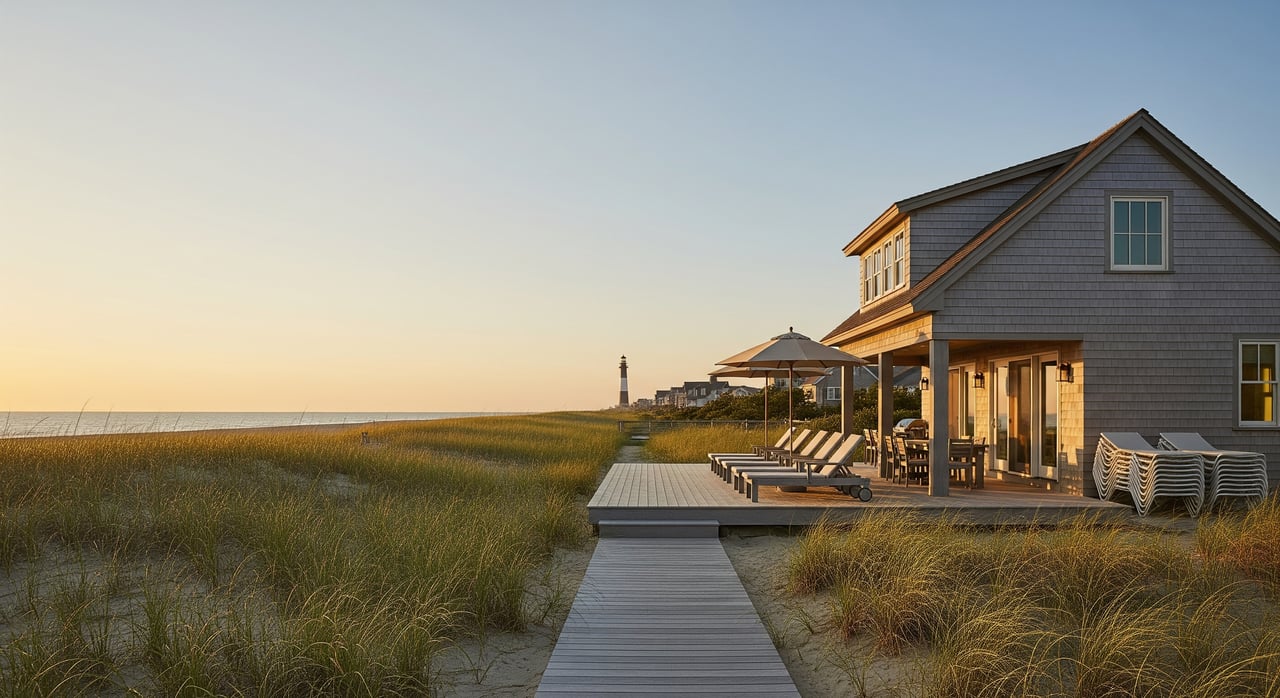
Thinking about when Hatteras really comes alive, when it quiets down, and how to plan around it? You are not alone. Whether you are timing a home purchase, deciding when to list, or aiming to boost rental income, Hatteras’ seasonality shapes your strategy. Below is a clear, practical guide to peak weeks and the off‑season, plus what each period means for buyers, sellers, and hosts. Let’s dive in.
Peak, shoulder, and off‑season at a glance
- Peak season: Mid June to early September. July 4th week and surrounding July weeks are usually the busiest.
- Shoulder season: May to early June, and September to October. Labor Day marks the tail end of peak.
- Off‑season: Mid October through March, with brief holiday bumps around Thanksgiving and late December.
Hurricane season runs June 1 to November 30, with activity often highest in August and September. For official updates, rely on NOAA’s hurricane guidance. Visitor patterns, business hours, and events align with these cycles; for planning and calendars, check the Outer Banks Visitors Bureau.
Month‑by‑month guide
January–March: Quiet off‑season
Visitor counts are lowest and many businesses scale back hours. Nightly rates tend to be at their lowest. This is a smart time for property tours, inspections, and larger projects when contractor schedules are more flexible. Investors sometimes find less buyer competition in these months.
April–May: Early shoulder builds
Spring brings milder weather and a gradual return of services. Demand starts to rise around Easter and spring breaks, with stronger activity in May. You will see occupancy and rates trend up as graduation celebrations and late‑May travel begin. Event and activity planning is easier with Outer Banks Visitors Bureau listings.
Late May–mid June: Transition to peak
Memorial Day weekend typically kicks off high demand. Occupancy and rates ramp quickly, and popular homes book early. Prepare for traffic and busier ferry schedules as summer visitors arrive.
Mid June–early September: Peak weeks
This is the heart of the season. The last full week of June, July 4th week, and the following July weeks are usually the highest demand. Weekly stays are common, especially Saturday‑to‑Saturday. Expect top rates, full restaurants, and the broadest service availability.
September: Summer fades to shoulder
Labor Day signals the end of the classic family vacation window, but early September can still feel like peak. By mid to late September, rates ease and crowds thin. The weather can be warm, and fishing remains popular.
October: Shoulder cools to off‑season
Early October can be wonderful for outdoor activities with milder weather. After mid October, visitor levels drop noticeably. Many owners begin winter prep in late October.
November–December: Off‑season with holiday bumps
Most weeks are quiet, with a small spike around Thanksgiving. Late December may see modest bookings during Christmas and New Year, but at levels well below summer peak. Winterization is common for homes that close seasonally.
What peak weeks mean for you
Buyers
- Peak season can make showings harder due to back‑to‑back vacation bookings. If possible, plan tours in the off‑season for easier access and deeper inspections.
- Use both peak and off‑peak rental projections to model returns. Tools like AirDNA can help you benchmark occupancy and average daily rates by month.
- Keep an eye on storm and access updates during hurricane season via NOAA and NCDOT.
Sellers
- Listing in spring aligns with rising buyer traffic and pre‑summer visits. You benefit from longer days, active showings, and stronger seasonal energy.
- Capture the home at its best with exterior photos and video when weather is favorable.
- Coordinate around vacation bookings to allow for showings without disrupting guests.
Rental owners
- Expect your highest occupancy and nightly rates mid June through early September, with July 4th week often the single top week.
- Weekly minimums are common in summer. Consider blocking your most in‑demand July weeks if you set premium pricing.
- Budget summer cash flow to carry fixed costs through the off‑season. Many owners plan maintenance for winter and early spring when the calendar is lighter.
Storms, access, and planning
Hurricane season runs June 1 to November 30, with activity that often peaks in late summer. Track official updates and preparedness steps through NOAA.
Access is part of life on Hatteras Island. NC‑12 is the main road, and severe weather can cause temporary closures or overwash. The Hatteras–Ocracoke Ferry schedule also changes seasonally and can be impacted by storms. For road and ferry status, follow the NCDOT Ferry Division and roadway updates.
Insurance planning matters. Flood and wind coverage add to carrying costs, and hurricane deductibles can be significant. Build a reserve for repairs and income disruptions, and schedule major projects outside peak season when crews are more readily available.
Booking and pricing tips
- For travelers: If you want space and better pricing, target mid October through March, with the exception of Thanksgiving and late‑December holidays.
- For owners: Shoulder seasons in spring and fall can still perform well, especially around fishing activity and pleasant weather. Watch event calendars via the Outer Banks Visitors Bureau.
- Set minimum stays according to demand. Weekly minimums are common in midsummer; shorter stays can make sense in spring and fall.
- If you need year‑round cash flow, plan for slower winter months and consider alternate strategies for vacant weeks.
Simple planning checklists
Buyer checklist
- Choose your viewing window based on access. Off‑season makes it easier to see multiple homes in one trip.
- Model rental returns with both peak and off‑peak assumptions using resources like AirDNA.
- Confirm insurance and flood considerations early with your lender and local agents.
- Monitor storm updates and access reports via NOAA and NCDOT.
- Ask for seller rental histories and maintenance records.
Seller checklist
- Target spring for launch to capture pre‑summer traffic.
- Coordinate listing photos before peak crowds and with favorable weather.
- Align showings with guest turnovers to minimize disruption.
- Prepare maintenance and touch‑ups in winter or early spring.
- Share transparent rental and expense records to help buyers model returns.
Rental owner checklist
- Map your rate calendar around key weeks: Memorial Day, July 4th, and Labor Day.
- Set weekly minimums for midsummer and adjust in shoulder seasons.
- Schedule big repairs and upgrades January to April.
- Maintain a storm plan, including vendor contacts and reserve funds.
- Review local tax and registration requirements through Dare County.
Local resources to bookmark
- NOAA hurricane and climate information
- NCDOT Ferry Division and NC‑12 updates
- Dare County government and tax info
- Outer Banks Visitors Bureau calendars
- AirDNA short‑term rental analytics
Ready to move on island time?
If you want personal guidance on how Hatteras seasonality affects your next move, reach out. We will help you time a listing, spot opportunities as a buyer, or make sense of rental performance month by month. Start a conversation with the local team that blends lived experience with data. Connect with OBX Beach Properties to plan your next step.
FAQs
What is the busiest time in Hatteras?
- The busiest stretch is mid June through early September, with July 4th week and surrounding July weeks often the top demand period. Memorial Day and Labor Day weekends also book strongly.
When are prices lowest and crowds light?
- Mid October through March is generally the slowest, with fewer visitors, lower nightly rates, and more contractor availability for projects.
How does hurricane season affect bookings and insurance?
- Hurricane season runs June 1 to November 30, with activity often peaking in August and September. Travelers watch forecasts closely, and owners should plan for wind and flood coverage plus emergency reserves.
When should I list my Hatteras home for sale?
- Listing in spring, typically April to June, aligns with higher buyer activity and pre‑summer visits, which can boost exposure and showings.
Can I expect steady year‑round rental income?
- Most revenue is concentrated in summer. Model both peak and off‑peak occupancy, and consider strategies for winter months if you need consistent cash flow.
Should I factor ferry and road disruptions into a purchase?
- Yes. Severe weather can temporarily close NC‑12 or disrupt ferry service. Check historical access updates and follow current conditions through NCDOT.
