Picture mornings on the Manteo boardwalk, coffee in hand, with everything steps from your front porch. Or maybe you want a newer home with a garage, community pool, and a slip for your boat. If you’re deciding between Historic Manteo and newer neighborhoods nearby, you’re not alone. In this guide, you’ll compare lifestyle, maintenance, risk, and long‑term costs so you can choose the right fit for how you live. Let’s dive in.
Manteo at a glance
Manteo is the only incorporated town on Roanoke Island and the seat of Dare County, with a 2020 population of about 1,600 residents according to the state’s census summary. That small size supports a compact, walkable downtown. You’ll see a clear waterfront commercial core and nearby residential streets with older homes. The town’s land use plan designates downtown as B‑1 commercial and notes infrastructure constraints like sewer capacity that influence density and growth decisions, which matters if you value in‑town living or plan future improvements. See the town’s plan for details on zoning and infrastructure context.
- Population context: 2020 census place totals
- Zoning and infrastructure: Town of Manteo Land Use Plan
Historic Manteo style and lots
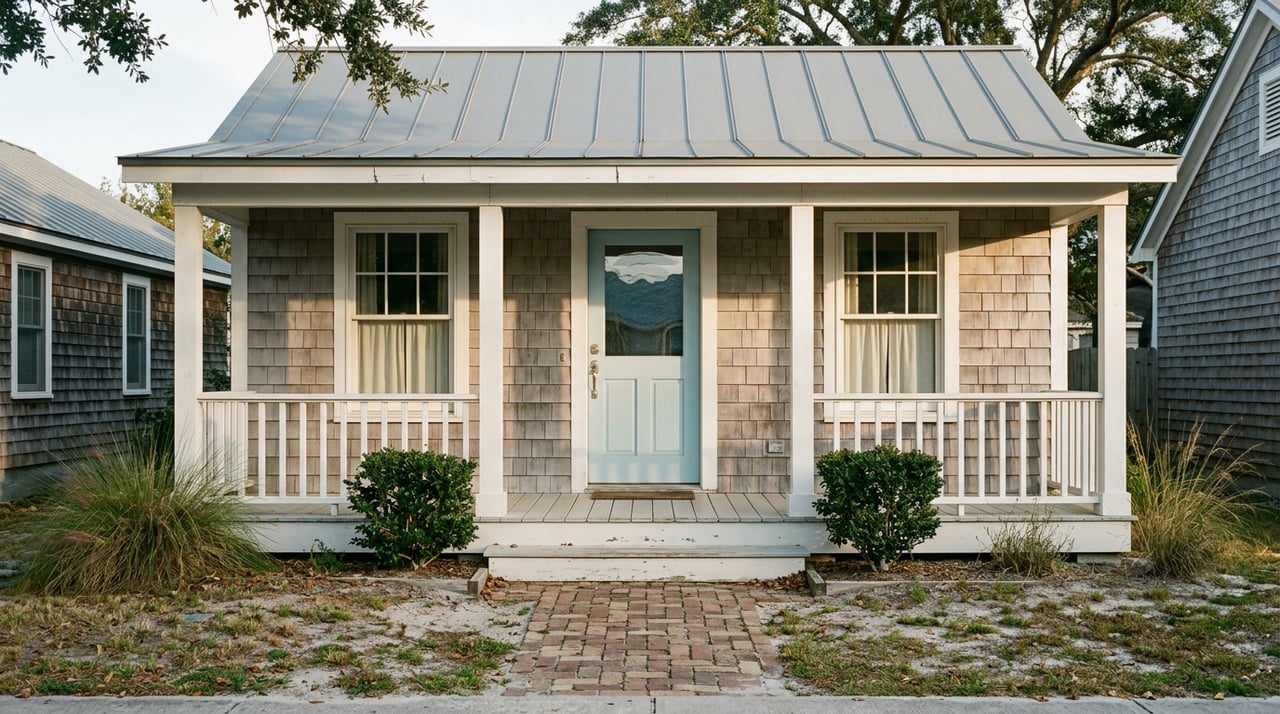
In and around the downtown waterfront, you’ll find homes that reflect the town’s long history. Common details include front porches oriented to the street or water, cedar shingles or wood siding, modest setbacks, and cottage‑scale forms alongside a few late‑19th and early‑20th century Victorian or Craftsman examples. National Register nominations and state archives document these styles and note that some lots are smaller or irregular compared with modern plats, with houses set closer to the street and mature trees rather than driveway‑first layouts. You can browse the state’s nomination archives for examples of Manteo cottages and mid‑century homes.
- Historic context and examples: NC SHPO nomination archive
Walkability and waterfront access
If daily convenience is your top priority, the historic core is hard to beat. The town’s waterfront area includes a connected boardwalk, shops, eateries, and seasonal markets clustered near the harbor. Living nearby can put cafés, galleries, and maritime history within a short walk. Explore the Manteo boardwalk to get a feel for the route and the small‑town scale.
By contrast, most newer neighborhoods around Manteo offer quick driving access to downtown and the beaches, but direct walks to waterfront shops are less common. If you prize daily walkability, put historic‑core addresses high on your list. If you prioritize a private dock or community amenities, newer subdivisions will likely fit better.
Historic home maintenance
Choosing an older home often means planning for more frequent, targeted maintenance. Original materials like wood siding, windows, and porch details require specialized care to preserve their character. The National Park Service recommends preventative maintenance and repair methods tailored to historic fabric, which can cost more and sometimes require trades with preservation experience. When you shop, budget time and funds for phased work on roofing, porches, mechanical systems, and paint.
- Preservation maintenance guidance: NPS Preservation Briefs
Newer neighborhoods overview
Newer subdivisions around Manteo typically emphasize convenience and amenities. Expect regular lot shapes, larger setbacks, driveways with attached garages, and cul‑de‑sacs designed for easy car access. Many planned communities add extras like internal walking paths, community pools, tennis or pickleball, and sometimes private marinas or canal access. Homeowners associations often set exterior standards and guide dock and landscaping rules, which can simplify upkeep if you prefer a consistent neighborhood look.
Lot and layout differences
Historic lots tend to prioritize the street and neighborly connections. Houses often sit closer to the sidewalk with porch‑forward facades and mature canopy trees. Newer plats usually favor private outdoor living, with decks or yards oriented away from the street and more space for parking. Neither is better by default. If you love greeting neighbors from your porch and strolling to dinner, historic patterns will appeal. If you want a garage, driveway space, and private yard or canal frontage, newer plats will feel natural.
Getting around and seasons
Roanoke Island connects to the mainland and the beaches via US‑64/264 and bridge links. The town’s land use plan notes seasonal congestion and limited through‑street connectivity, which can slow short trips in peak summer. If you commute or plan lots of daily driving, factor in those seasonal rhythms. Living closer to your most frequent stops can make a big difference in summer convenience.
- Town mobility context: Manteo Land Use Plan
Risk, insurance, and resilience
Manteo sits on low coastal ground, so flood and wind risk should be part of every purchase plan. Start with an address‑specific FEMA flood zone check, request any existing elevation certificate, and get flood insurance quotes early in your search. The Flood Insurance Study for Dare County outlines flood mapping and storm surge context for the Outer Banks, which can affect mortgage requirements and long‑term costs.
- Flood mapping background: Dare County Flood Insurance Study
There is practical help on the insurance side. North Carolina’s coastal insurance pool offers mitigation grants, like Strengthen Your Roof, that fund upgrades to FORTIFIED standards. These improvements can reduce risk and can influence insurability and premiums for both older and newer homes. Check current eligibility and deadlines before you commit to a property or plan a roof project.
- Mitigation grants: Strengthen Your Roof program
Budget and long‑term costs
Plan a maintenance reserve rather than assuming zero near‑term costs. A common rule of thumb is 1 to 4 percent of the home’s value per year, with newer construction typically on the lower end and older or coastal‑exposed homes on the higher end. Your inspection results should guide the final number. Salt air, wind, and humidity can add wear to paint, decks, metal, and fasteners, so schedule routine exterior care.
- Maintenance reserve guidance: 1 to 4 percent rule
Buyer checklist
Use this quick checklist to align your choice with your lifestyle and budget.
- Clarify priorities. If daily walks to cafés and the harbor matter, target the historic core near the Manteo boardwalk. If you want a garage, dock, or pool, focus on planned neighborhoods.
- Verify flood risk early. Order a FEMA flood‑zone lookup for the address, request any elevation certificate, and secure written flood insurance quotes. Review the Dare County Flood Insurance Study for context.
- Choose the right inspector. For older homes, hire someone experienced with older wood‑frame and coastal properties. Use the NPS Preservation Briefs to frame questions about materials and repairs.
- Confirm utilities and rules. For newer subdivisions, review HOA guidelines, boat‑slip availability and transfer rules, and amenity fees. The town plan highlights sewer capacity as a factor for growth, so confirm whether a lot is on town sewer or septic in your due diligence. See the Manteo Land Use Plan for background.
- Collect documents. Ask sellers for the last roof replacement date, any elevation certificate, major mechanical upgrades, and any state or national historic nomination paperwork that may inform permitted exterior changes. Browse the NC SHPO archive for reference.
- Budget smart. Use a 1 to 4 percent annual maintenance reserve as a starting point and get quotes for mitigation upgrades. Check Strengthen Your Roof for potential grant help.
- Renting part‑time. If you plan short‑term rentals, confirm registration requirements and understand Dare County’s 6 percent occupancy tax on gross receipts. Review the county’s occupancy tax guidance.
If you want help matching neighborhoods to your must‑haves, reach out. We live the Outer Banks seasons and know the tradeoffs on Roanoke Island. Let’s line up homes on both sides of the comparison so you can feel the difference in person. When you are ready, connect with OBX Beach Properties to start your search.
FAQs
Is downtown Manteo walkable for daily errands?
- Yes. The historic waterfront area is compact with shops, eateries, and the connected Manteo boardwalk, making short walks practical by small‑town standards.
What historic features will I see in Manteo homes?
- Expect front porches, cedar shingles or wood siding, modest setbacks, and a mix of cottage‑scale forms with some Victorian or Craftsman examples documented in the NC SHPO nominations.
Do historic designations restrict changes to my house?
- National and state register listings are recognition, not automatic restrictions; local design review may apply case by case, so confirm rules with the Town of Manteo and consult the NC SHPO archive.
How do newer Manteo neighborhoods differ from older blocks?
- Newer subdivisions typically have regular lots, larger setbacks, garages, and HOA standards, while older blocks lean porch‑forward with homes closer to the street and more pedestrian orientation.
How should I check flood risk before making an offer?
- Order a FEMA flood‑zone lookup, request any elevation certificate from the seller, and get a written quote for flood insurance; review the Dare County Flood Insurance Study for context.
What annual maintenance budget should I plan for on the OBX?
- A common planning range is 1 to 4 percent of the home’s value per year, with older or coastal‑exposed homes near the higher end; adjust based on inspection findings and quotes.
