Wondering why two homes in Nags Head with similar square footage can land in very different price ranges? In this market, the address alone is not the full story. Where a home sits relative to the ocean, Beach Road, US 158, or a historic area can shape value, buyer demand, carrying costs, and even future flexibility. If you are buying or selling in Nags Head, understanding those micro-locations can help you price smarter and avoid apples-to-oranges comparisons. Let’s dive in.
Why micro-location matters in Nags Head
Nags Head is not one uniform market. Townwide numbers can give you a quick pulse, but they do not explain why an oceanfront home, a property between the highways, and a house west of US 158 may attract different buyers and different pricing.
Recent market snapshots place Nags Head in the mid-$700,000 range overall, with median figures around $741,117 to $749,950 depending on the source and reporting period. That is useful for orientation, but it is only a starting point. In practice, micro-location often matters more than the townwide median.
Oceanfront homes: scarcity drives a premium
True oceanfront property usually sits in its own pricing band. The biggest reason is simple: direct beachfront locations are limited, and redevelopment is shaped by shoreline change, erosion rates, and state setback rules tied to structure size and the first line of stable natural vegetation.
That scarcity can support stronger pricing, especially when buyers want direct views and immediate beach access. At the same time, oceanfront value is not just about the view. Buyers also weigh storm exposure, erosion risk, maintenance planning, and insurance expectations.
Nags Head’s shoreline management program reflects those realities. The town’s policies are designed to protect existing development and infrastructure from storm surge, sea-level rise, and shoreline migration, which means oceanfront ownership comes with a different risk-and-reward profile than homes farther inland.
What buyers notice on oceanfront lots
When buyers compare oceanfront options, they often look beyond bedroom count and finishes. They pay close attention to:
- Direct beach frontage
- Ocean views
- Setback and siting constraints
- Dune condition and shoreline context
- Flood zone details
- Ongoing maintenance expectations
If you are selling oceanfront, those details can shape both pricing and buyer confidence. If you are buying, they can help explain why one oceanfront listing may command much more than another nearby property.
Beach Road and between-the-highways homes
In Nags Head, many buyers think of this area as the oceanside market, though the town more often uses terms like Beach Road, NC 12, or between the highways. These homes often appeal to buyers who want strong beach access and coastal feel without paying full oceanfront pricing.
This part of town includes a mix of residential and, in some areas north of Whalebone, smaller-scale business uses, hotels, motels, and cottage courts. That mix can affect pricing because some stretches feel more purely residential, while others carry a different pattern of surrounding uses and activity.
For many buyers, Beach Road homes hit a sweet spot. You may get close proximity to the beach, potential water views in some cases, and a location that still feels deeply connected to the shoreline, but without direct beachfront exposure.
Why Beach Road values vary
Not every Beach Road property should be grouped together. Value can shift based on:
- Exact distance to beach access
- Whether the home sits between NC 12 and the ocean or farther west
- Presence of ocean views
- Nearby surrounding uses
- Lot shape and usability
- Flood map and hazard details
That is why a broad “oceanside” label is not enough for pricing. In Nags Head, the block and corridor matter.
Soundside and west of US 158 neighborhoods
West of US 158, the market often feels different. According to the town’s planning framework, these neighborhoods are mostly low-density single-family areas, with lot sizes ranging from about 6,000 square feet to more than 25,000 square feet, and they are generally less influenced by seasonal rental pressure.
For some buyers, that lower seasonal intensity is part of the appeal. Others are drawn to Roanoke Sound and marsh views, especially near the Soundside Activity Node around West Forbes and West Grey Eagle, where the town highlights scenic soundside character.
From a pricing standpoint, soundside and west-of-158 homes are not simply “cheaper than the beach.” They serve a different buyer pool. Some buyers value sunsets, larger lots, and a more year-round neighborhood feel enough to pay a meaningful premium within that segment.
What supports value on the soundside
Soundside pricing often reflects a different set of priorities than oceanfront or Beach Road homes. Common value drivers include:
- Sound or marsh views
- Sunset orientation
- Larger lot sizes
- Lower-density surroundings
- Distance from seasonal rental concentration
- Access to the broader Nags Head corridor
If you are comparing sales west of US 158 to homes closer to the ocean, you need to account for those different buyer motivations. A townwide average will not do that work for you.
Historic Cottage Row has its own rules
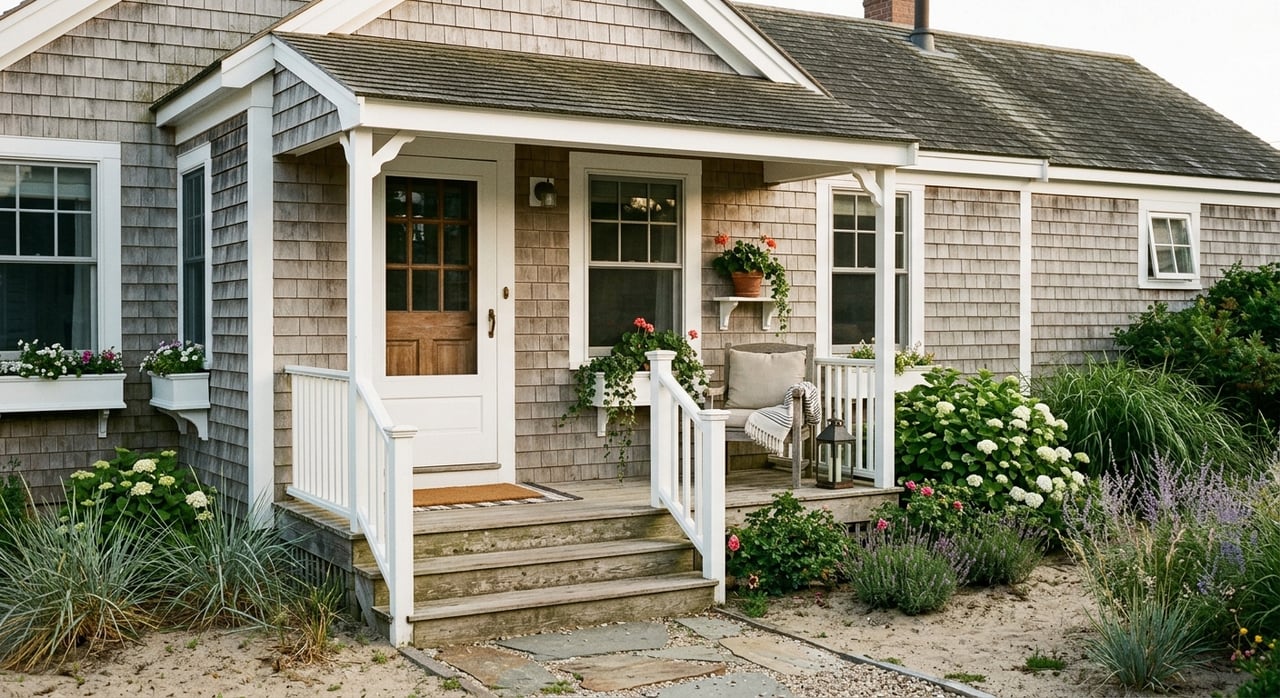
Historic Cottage Row and the nearby historic character area stand apart from standard submarkets. These were among the earliest developed parts of Nags Head, and several cottages there have been listed on the National Register of Historic Places since 1977.
That history can influence value in a very real way. Buyers may pay for architectural authenticity, established character, and walkable coastal setting. But those same buyers should also understand that preservation-oriented zoning can limit redevelopment flexibility compared with a standard commercial corridor or a more conventional residential lot.
For sellers, this means historic appeal can be a strength, but it should be framed accurately. For buyers, it means the value proposition is often about character and setting, not just expansion potential.
Listing language can move price perception
In Nags Head, location wording is not just marketing fluff. Terms like oceanfront, Beach Road, NC 12, South Virginia Dare Trail, Old Oregon Inlet Road, Soundside Road, west of US 158, Historic Cottage Row, Jockey’s Ridge, and Whalebone often point to distinct planning character areas.
That matters because buyers search with location in mind. Redfin’s Nags Head trend tools also track features such as beach access, panoramic view, and sunset view, which shows how closely the market watches location-linked descriptors.
A well-written listing can help buyers understand where a property fits. Still, listing language should be your first clue, not your final answer.
How to verify a home’s true micro-location
Before you compare comps or decide on an offer price, verify the property’s setting with local mapping tools. The Town of Nags Head points users to GIS resources, Dare County parcel data, NC Division of Coastal Management shoreline and setback maps used for CAMA permits, and FEMA flood maps for Dare County and Nags Head.
That step matters because a listing photo cannot tell you the full story. The town notes that current effective flood maps date to June 19, 2020, and even some oceanfront properties can now fall in X zones. In other words, assumptions based on distance to the water can be misleading.
Check these details before pricing
Whether you are buying or selling, review these factors before settling on value:
- Parcel location and lot dimensions
- Oceanfront setback context where applicable
- Flood map designation
- Public beach access proximity
- Sound or marsh view orientation
- Historic-character or preservation context
- Surrounding land-use pattern
These details help you compare like with like, which is especially important in a town with so many distinct micro-markets.
Why sellers should avoid townwide pricing shortcuts
It is tempting to start with the townwide median and adjust from there. But in Nags Head, that can lead to overpricing or underpricing because the town’s own planning framework makes clear that oceanfront, Beach Road, soundside, and west-of-158 neighborhoods are not interchangeable.
They attract different buyer groups, carry different hazard or preservation considerations, and allow different development intensities. A strong pricing strategy starts with recent comparable sales in the same micro-location, not just the same ZIP code.
For sellers, this can mean the difference between sitting on the market and launching at a price that makes sense. For buyers, it can help you recognize when a listing is aligned with the local pattern or when it needs a closer look.
The bottom line for buyers and sellers
In Nags Head, price is shaped by more than bedrooms, baths, and square footage. Oceanfront scarcity, Beach Road access, soundside views, historic character, flood context, and lot constraints can all move the number.
That is why local context matters so much here. If you want to buy with confidence or price your home with precision, you need to understand not just the market, but the exact part of the market you are in.
If you want help sorting out Nags Head comps by oceanfront, Beach Road, soundside, or another local niche, the team at OBX Beach Properties can help you look at the details that really drive value.
FAQs
How do oceanfront homes in Nags Head affect home prices?
- Oceanfront homes often command a higher price because direct beachfront locations are limited, and setback, erosion, and hazard factors can make them harder to redevelop at larger scale.
How do Beach Road homes in Nags Head compare to oceanfront prices?
- Beach Road homes often attract buyers who want close beach access and a coastal setting without paying full oceanfront pricing, but value still varies by exact location, views, and surrounding uses.
How do soundside homes in Nags Head shape property values?
- Soundside and west-of-US-158 homes can appeal to buyers looking for sound views, sunsets, larger lots, and lower-density surroundings, which creates a different pricing dynamic than homes near the ocean.
How does Historic Cottage Row in Nags Head affect home value?
- Historic Cottage Row can carry value tied to architectural character and setting, but preservation-oriented zoning may limit redevelopment flexibility compared with other parts of town.
How should you compare home prices across Nags Head micro-locations?
- You should compare recent sales within the same micro-location whenever possible, because oceanfront, Beach Road, soundside, and historic areas serve different buyer pools and have different site constraints.
How can you verify a property’s micro-location in Nags Head?
- You can confirm parcel location, flood map status, shoreline and setback context, and nearby access details using the Town of Nags Head GIS resources, Dare County parcel data, and related local mapping tools.
