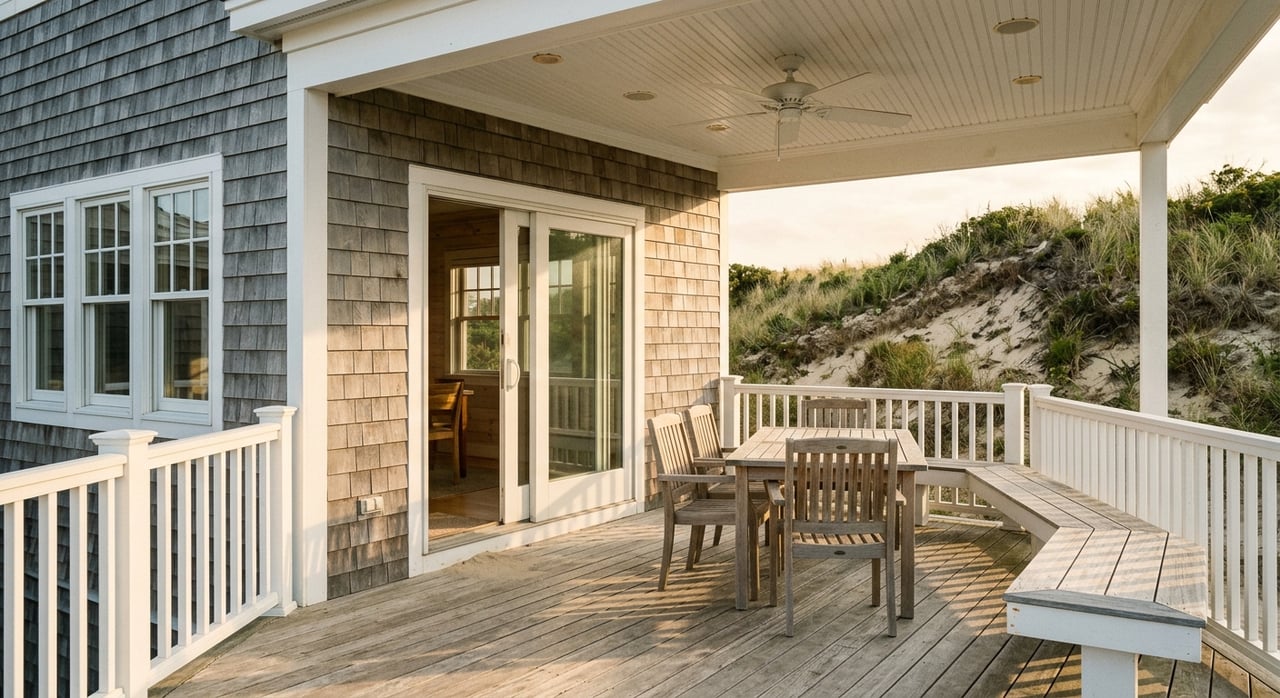
Choosing between Nags Head and Kill Devil Hills for a vacation rental is not just about picking a beach town. It is about matching your property to the kind of guest experience you want to offer and the kind of ownership story you want to build. If you are weighing both options, this guide will help you compare demand, property types, local character, and practical fit so you can move forward with more confidence. Let’s dive in.
Why Both Towns Deserve a Look
If you are shopping for a vacation rental on the Northern Beaches, both towns belong on your shortlist. Dare County is a tourism-driven market, and the Outer Banks Visitors Bureau reports that visitor spending surpassed $2.1 billion in 2024, supporting 12,260 jobs.
That visitor economy matters to owners because short-term rentals are part of the area’s core infrastructure. The same source notes that Dare County also levies a 6% occupancy tax on short-term lodging, and those revenues help support tourism, beach nourishment, and local services.
From a demand standpoint, these two towns were very close in early 2026. According to the latest public district occupancy report, Jan-Feb 2026 gross occupancy totaled $7,693,480 in Kill Devil Hills and $7,643,388 in Nags Head.
Nags Head at a Glance
Nags Head fits the classic Outer Banks beach-house image many buyers have in mind. The town includes a mix of housing types, but its comprehensive plan says the vast majority of housing is single-family, and vacation accommodations are now primarily single-family dwellings offered as weekly rentals.
That matters if you are looking for a property that aligns with the traditional OBX vacation pattern. Larger beach houses, family stays, and weeklong summer trips feel especially at home here.
The guest appeal is also easy to understand. The Outer Banks Visitors Bureau town guide describes Nags Head as having an abundance of beach houses and seaside accommodations, plus direct access to some of the area’s best-known attractions.
Kill Devil Hills at a Glance
Kill Devil Hills offers a slightly different vacation-rental story. Its land-use plan describes the town as predominantly single-family residential, with commercial and office uses concentrated along US 158 and portions of NC 12, and with multi-family development spread through town.
The same planning materials note that the area east of NC 12 and between the highways is made up largely of vacation rental homes and commercial development. West of US 158 is largely single-family and permanent-resident housing.
For you as a buyer, that creates a more compact and mixed setting. Kill Devil Hills is about 4.86 square miles, with a year-round population of about 7,700 that grows to about 36,000 in summer, which helps explain why convenience and activity are such a big part of its appeal.
Vacation Experience Matters Most
The biggest difference between these towns is not whether one has visitors and the other does not. Both do. The bigger difference is how guests tend to experience their stay.
Nags Head Feels More Classic
Nags Head is often the better fit if you want the traditional Outer Banks beach-house atmosphere. Official town and tourism sources point to a guest experience shaped by oceanfront homes, dune views, soundside access, and easy family beach routines.
It is also home to major attractions that support longer, more relaxed stays. Visitors can enjoy Jockey’s Ridge State Park, which the tourism bureau highlights as a signature draw, along with Dowdy Park, Bodie Island Lighthouse, sound accesses, and a multi-use path network.
Nags Head also offers some distinctive beach-use features. The town allows beach fires with permits, and seasonal 4x4 beach driving is allowed from October 1 through April 30 with a town permit, which can add to the off-season appeal for some owners and guests.
Kill Devil Hills Feels More Active
Kill Devil Hills leans more toward activity, accessibility, and history. The town and tourism materials highlight Wright Brothers National Memorial, surfing, a skate park, and a fishing pier as defining attractions.
That can be a strong match if you want to appeal to guests who like to stay busy and value having multiple public amenities nearby. The town also emphasizes lifeguard-served accesses, accessibility features, beach wheelchairs, and a broad public recreation base.
In simple terms, Kill Devil Hills often works well for a stay built around convenience, movement, and variety. Nags Head often works well for a stay built around space, scenery, and the classic beach-house rhythm.
Property Type and Rental Fit
If your plan centers on a detached vacation home, Nags Head may feel more intuitive. Its comprehensive plan says residential short-term rentals are allowed in every zoning district, though partial-house rentals are limited to two bedrooms and parking rules apply.
That does not automatically make every property equal, but it does support the town’s identity as a strong single-family weekly rental market. If you are underwriting a classic vacation home purchase, this framework is worth noting.
Kill Devil Hills can be appealing if you want flexibility in the guest profile you attract. Because the town has vacation rentals, commercial areas, and resident neighborhoods in close proximity, it can draw guests who value being near attractions, beach access, and everyday conveniences.
That said, block-by-block variation may be more noticeable in Kill Devil Hills than in Nags Head. If you are comparing properties there, the exact location and surrounding uses deserve extra attention.
Beach Access and Everyday Usability
Beach access is one of the most practical details for vacation-rental performance because it shapes how easy a stay feels. Both towns offer strong access networks, but there are slight differences in how they read to guests.
Nags Head town materials note 28 public beach access sites along 11 miles of oceanfront. That supports the town’s spread-out, beach-house-oriented feel.
Kill Devil Hills lists 29 beach access sites with varying amenities and parking availability. The town also manages some access and overnight parking more tightly, including permit requirements for certain overnight access parking.
For owners, the takeaway is simple: access is strong in both towns, but the guest experience may feel a little different. In Nags Head, access pairs with a more classic vacation-home setting. In Kill Devil Hills, access often pairs with a denser amenity grid and more active public-use environment.
Beach Nourishment and Long-Term Planning
If you are buying near the ocean, shoreline maintenance should be part of your decision. This is not unique to either town, but it is important in both.
Nags Head says beach nourishment is funded through a mix of town-wide property taxes, municipal service district revenues, and county support. The town also says its next nourishment project may begin in summer 2026.
Kill Devil Hills has its own beach-erosion-control and flood- and hurricane-protection funding structure, and public planning materials show the town has been actively funding beach nourishment in recent budgets and meetings. When you compare homes, this is one more reason to look beyond list price and think about long-term carrying costs and coastal conditions.
So, Which Town Is Better?
The better choice depends on what kind of vacation rental you want to own.
Choose Nags Head If You Want:
- A more classic Outer Banks beach-house rental story
- A market shaped largely by single-family weekly rentals
- Strong appeal for longer family stays
- Easy access to dunes, soundside recreation, and signature scenic attractions
- A setting that feels more rooted in the traditional OBX vacation rhythm
Choose Kill Devil Hills If You Want:
- A rental that appeals to guests seeking activity and convenience
- Proximity to history-focused attractions and public amenities
- A more compact town layout with strong access points
- A location that can attract a broad mix of beachgoers and short-stay visitors
- A guest experience centered on variety, surfing, recreation, and access
A Smart Way to Compare Homes
Once you narrow the town, compare properties through the lens of guest usability, not just purchase price. In both Nags Head and Kill Devil Hills, details like beach-access convenience, parking, surrounding land use, and the overall stay experience can shape performance just as much as square footage.
It also helps to think about resale from day one. A home that clearly fits the local rental story of its town is often easier for future buyers to understand, whether they are shopping for a second home, an investment property, or both.
If you are deciding between Nags Head and Kill Devil Hills, the best next step is to line up a few properties in each town and compare them side by side with your goals in mind. The right fit is not only about numbers. It is also about choosing a place that matches the kind of Outer Banks experience you want your guests, and your family, to enjoy. When you are ready to explore options, connect with OBX Beach Properties for personal, local guidance tailored to your vacation-rental goals.
FAQs
Is Nags Head or Kill Devil Hills stronger for vacation-rental demand?
- Both towns show strong demand. The latest public district report shows Jan-Feb 2026 gross occupancy totals were very close, with Kill Devil Hills at $7,693,480 and Nags Head at $7,643,388.
Are short-term rentals allowed in Nags Head?
- Yes. Nags Head says residential short-term rentals are allowed in every zoning district, though partial-house rentals are limited to two bedrooms and parking rules apply.
What type of vacation rental is most common in Nags Head?
- Nags Head planning documents say vacation accommodations are now primarily single-family dwellings offered as weekly rentals.
What makes Kill Devil Hills different for guests?
- Kill Devil Hills stands out for its mix of history, surfing, recreation, and convenience, with attractions like Wright Brothers National Memorial, a skate park, and a fishing pier.
Do both towns offer public beach access?
- Yes. Nags Head notes 28 public beach access sites along 11 miles of oceanfront, while Kill Devil Hills lists 29 access sites with varying amenities and parking availability.
Why should beach nourishment matter when buying in Nags Head or Kill Devil Hills?
- Beach nourishment affects long-term coastal planning, funding, and ownership costs. Both towns actively address shoreline maintenance through public funding structures and planning efforts.
