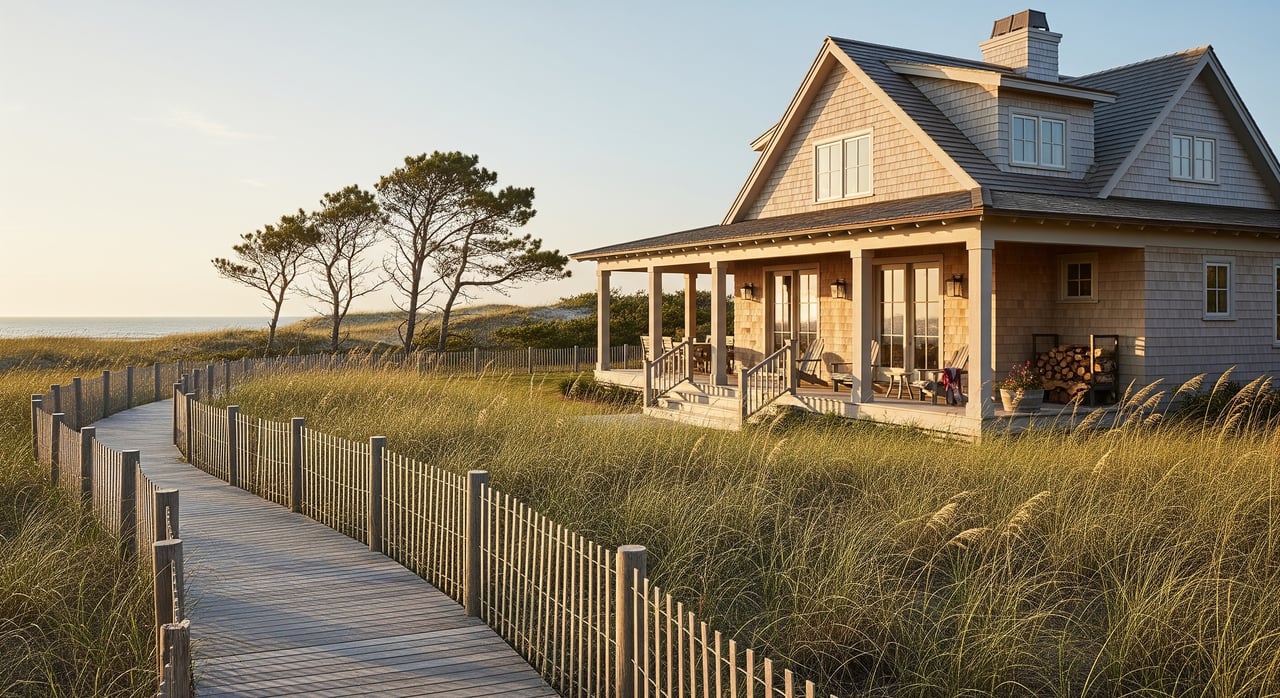
Imagine waking up to a pink sunrise, a salty breeze on your porch, and the sound of gulls instead of honking horns. In summer, Kitty Hawk hums with beach days and busy restaurants. In winter, the island slows to a calm, neighborly pace. If you are weighing a move, this guide shows you what everyday, year‑round life actually feels like, season by season and street by street, with practical tips to plan your move. Let’s dive in.
The seasonal rhythm
Summer: lively and social
Summer is peak season. You get long, warm days and a full lineup of dining, live music, and outdoor activities. Beaches are busier, traffic picks up on US‑158 and NC‑12, and weekend grocery runs require patience. It is a fun time to host friends and try new spots, but you will want a smart routine for errands and parking.
Fall: locals’ favorite months
When crowds thin after Labor Day, water is still warm and evenings turn crisp. Many restaurants stay open, though some reduce hours. Outdoor events continue, and sunsets over the sound are especially beautiful. Hurricane season runs through late fall, so you continue to watch forecasts and keep your plans flexible.
Winter: quiet and cozy
Winter is the calmest stretch. You will find shorter hours at some businesses, wide‑open beaches, and easy drives for appointments. It is a great time to fish, run, or walk in peaceful weather windows. The pace suits residents who prefer a quieter daily rhythm and more personal time with neighbors.
Spring: ramp up and refresh
Spring brings festivals, migrating birds, and a steady return to full hours at local spots. Homes and businesses prep for the season, and the energy builds each week. If you like moderate weather and fewer crowds, spring feels like a sweet spot.
Tip: For climate details and historic storm patterns, check the NOAA climate normals to understand temperatures, rainfall, and the typical arc of hurricane season.
Daily living basics
Getting around and traffic
Primary access runs along US‑158 and NC‑12. Summer weekends and holidays can be congested, so plan errands for weekday mornings when possible. Off‑season is much quicker, and many locals schedule appointments then. For ferries, routes, and seasonal transit updates, consult NCDOT travel resources.
If you fly often, Norfolk International is about 1.5 to 2 hours away depending on traffic and the time of year. For new residents, test the drive during a peak weekend and an off‑season weekday to feel the difference.
Schools and youth programs
Kitty Hawk is served by Dare County Schools, with grade assignments based on county zoning. Many students attend schools in nearby towns depending on district lines. Youth sports, after‑school programs, and libraries run through county and community groups. Always confirm attendance zones and program availability directly with the district before you move.
Healthcare and emergency services
You have access to urgent care and primary care clinics on the Outer Banks, plus a full hospital facility nearby. In major emergencies, higher‑level trauma care is across the bridge on the mainland, so transfers can add time. Plan your routine care in advance and keep an emergency plan that includes medications, contacts, and route options.
Utilities and internet
Most homes are wood‑frame and many are elevated for coastal resilience. Utilities vary by address. Some areas have municipal water and sewer, while others use private septic systems. Broadband options can include cable, DSL, mobile LTE, and increasingly, satellite. For remote work, verify service tiers and speeds for your specific address and keep a backup plan for occasional outages.
Work, economy, and remote life
Local jobs and income streams
Tourism, hospitality, retail, construction, property management, and the public sector anchor the local economy. Fishing and boat services also contribute to year‑round work. If you are a hands‑on professional in the trades, the region’s housing stock and seasonal turnover keep demand steady. Many families piece together several income sources across the year.
Commuting or telecommuting
Some residents commute across the bridge for specialized roles or higher pay, while others work remotely. Reliable broadband and flexible schedules make year‑round life more practical for telecommuters, but always test connectivity before you commit. If you commute, plan departure times around seasonal traffic patterns and keep an eye on weather or bridge restrictions.
Recreation and community
Beaches, trails, and water
Beaches are the heart of daily life: morning jogs, surfing, shelling, or a lunch‑hour swim. You have easy access to fishing piers, charter options, and boat ramps. Birding and wildlife viewing pick up in spring and fall when crowds are lighter. For festivals, races, and seasonal event ideas, browse the Outer Banks Visitors Bureau.
Dining and small business life
You will find a mix of year‑round cafes and seasonal favorites. Summer menus stretch late into the evening, then many places scale back hours in winter. Independent shops, art galleries, and outfitters serve both locals and visitors. Off‑season is when you get your barista’s name and can linger over coffee.
Events and volunteer spirit
Seasonal markets, holiday parades, and community cleanups are common. Volunteer organizations, civic groups, and churches play a big role in local connection and support. If you enjoy pitching in, you will find plenty of ways to contribute.
Housing patterns and the STR reality
The housing stock ranges from classic beach cottages to newer subdivisions on small lots. Many homes sit on piles for flood resilience. Driveways and on‑site parking are standard. You will find a blend of year‑round owners, seasonal residents, and short‑term rentals, which can shape neighborhood feel and pricing.
Short‑term rental rules, registration, and safety standards are set by the county and towns, and they evolve. Before you buy, review current policies with the Town of Kitty Hawk and Dare County to understand occupancy taxes, parking expectations, and inspection requirements. For market trends and inventory patterns, check the Outer Banks Association of REALTORS market reports.
Storms, flooding, and insurance 101
Kitty Hawk sits on a barrier island, so storm surge, tidal flooding, and beach erosion are part of coastal life. Hurricane season runs from June 1 through November 30. Many residents review insurance annually, trim trees, secure outdoor items, and refresh emergency kits as part of regular planning. Power outages can happen during nor’easters or tropical systems.
Flood risk varies by street and elevation, so do an address‑specific check using the FEMA Flood Map Service Center. Discuss flood and wind coverage with a coastal‑savvy agent. Expect hurricane deductibles and potentially higher premiums than inland areas. For shoreline projects, dune management, and coastal rules that affect building or sand fencing, read guidance from the North Carolina Division of Coastal Management.
During major weather, follow county advisories and evacuation guidance. You can find updates and local services through Dare County. Staying informed and prepared is simply part of the year‑round rhythm.
What a typical week can look like
In July, you might bike to the beach at sunrise, work a remote shift or run service calls before midday, then meet friends for tacos and a sunset soundside paddle. You will plan big errands midweek and check traffic before heading over the bridge.
In January, you will stroll quiet beaches, drop by your favorite cafe with no line, and knock out appointments in half the time. Evenings are for home projects, a community meeting, or a low‑key dinner out. It is the same town with two very different cadences, and both have their appeal.
Smart tips before you move
- Visit in both peak summer and mid‑winter to feel the contrast in pace and services.
- Drive your commute on a summer Saturday and a weekday in February.
- Verify internet providers and speeds at the exact address, and plan for backup service.
- Check your property’s flood zone at the FEMA Flood Map Service Center and speak with an insurance pro early.
- Ask for septic system details and maintenance records if the home is not on sewer.
- Budget for storm readiness, including a generator or power backup plan.
- Review short‑term rental rules with the Town of Kitty Hawk and Dare County if you plan to rent.
- Track seasonal traffic and bridge advisories through NCDOT travel resources.
- Follow event calendars at the Outer Banks Visitors Bureau to plug into the community quickly.
Ready to explore homes that fit your lifestyle?
If Kitty Hawk’s year‑round rhythm sounds like a match, we are here to guide you with local insight and clear next steps. Whether you are buying a year‑round home or an investment that balances personal use and rental income, we can help you evaluate neighborhoods, utilities, flood considerations, and seasonality with confidence. Start your search with OBX Beach Properties.
FAQs
What is summer traffic like in Kitty Hawk?
- Expect heavier congestion on US‑158 and NC‑12 on summer weekends and holidays, with much lighter traffic on weekday mornings and during the off‑season.
How do I check flood risk for a specific address?
- Use the FEMA Flood Map Service Center to look up your property’s flood zone and discuss coverage with an insurance professional.
Are there year‑round healthcare options on the Outer Banks?
- Yes, there are urgent care and primary care clinics locally, plus a full hospital nearby, with transfers to mainland centers for higher‑level trauma care when needed.
How does hurricane season affect daily life?
- From June 1 to November 30 you monitor forecasts, maintain a storm kit, review insurance, and follow county advisories for closures or evacuations when conditions warrant.
What are internet options for remote work in Kitty Hawk?
- Depending on your address, options may include cable, DSL, mobile LTE, and satellite; verify providers and speeds at the property and plan for occasional outages.
How do short‑term rentals impact neighborhoods?
- STRs are part of the local economy and can affect parking, noise, and pricing in peak season; review current rules with the town and county before you buy.
Where can I find local rules and seasonal updates?
- Check the Town of Kitty Hawk for ordinances and news, and Dare County for county services and emergency management updates.
